- Employers must oversee how their health plans are managed.
- PBM contracts should clearly explain pricing, fees, and rebate arrangements.
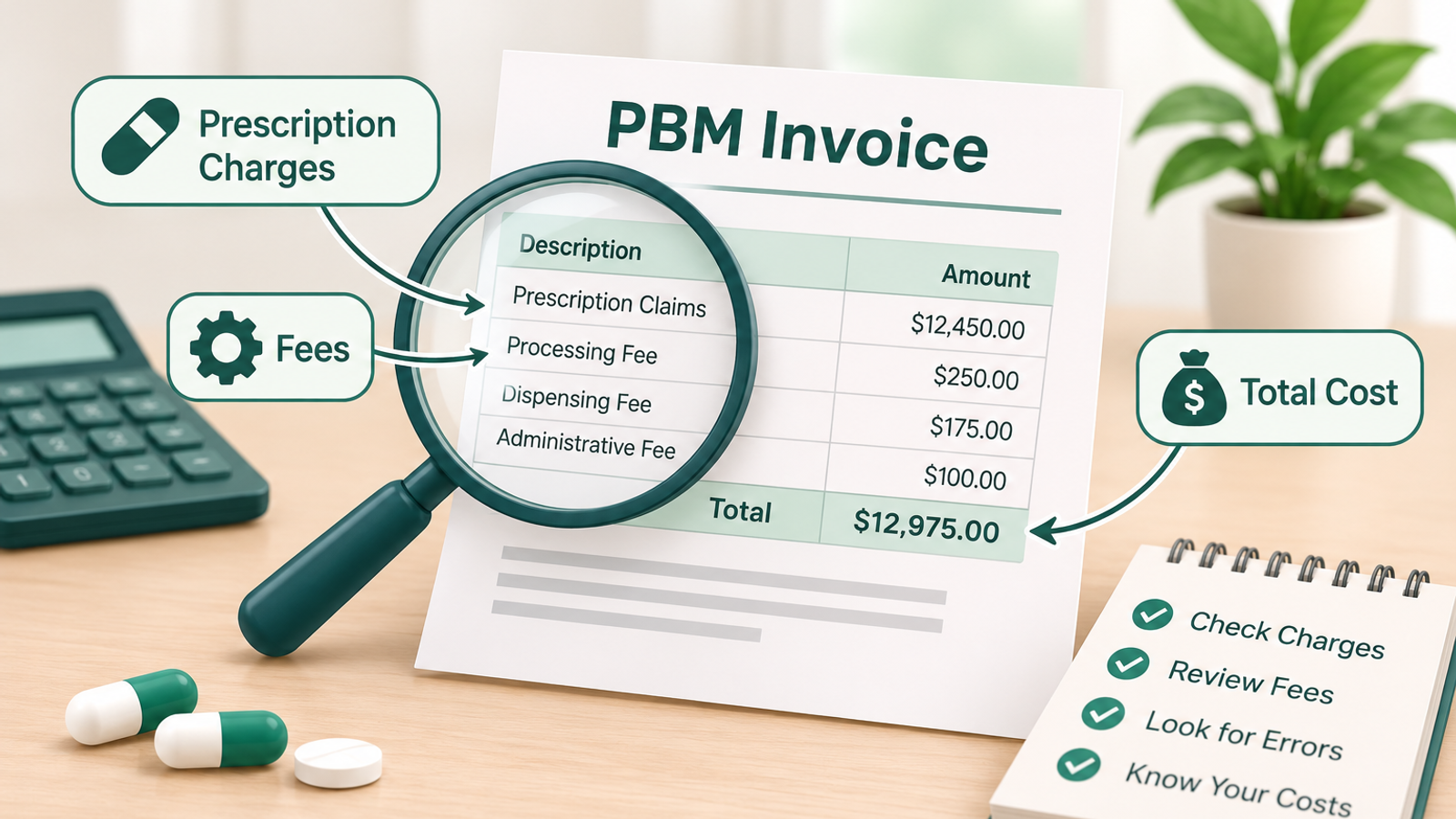
- Claim-level reporting helps employers review pharmacy costs.
- PBM lawsuits highlight the importance of transparency and oversight.
- - Regular PBM performance reviews help employers monitor contract compliance.
Self-funded employers pay for their employees’ healthcare claims. They often work with third-party administrators (TPAs), pharmacy benefit managers (PBMs), and other service providers to manage the health plan. A self-funded PBM manages the prescription benefit, including pharmacy claims, pricing, and rebates. While these providers handle different tasks, employers still need to oversee how the plan is managed. They should know what each provider does, how much the services cost, and how plan funds are used. Pharmacy benefits need particular attention because drug prices, rebates, and service fees are not always easy to review. Understanding PBM Fiduciary Responsibility helps plan sponsors know what to check when choosing and working with a PBM. It also helps them review contracts, understand costs, and make decisions that support plan participants.
Understanding Fiduciary Duties in a Self-Funded Health Plan
A fiduciary is generally a person or organization with authority over a health plan’s management or administration. Under the Employee Retirement Income Security Act (ERISA), covered plan fiduciaries must act in the interest of plan participants and beneficiaries. They must follow plan documents, make careful decisions, and ensure that plan expenses are reasonable. Their duties depend on the authority they have and the responsibilities assigned to them.
For self-funded employers, these duties can affect how they choose and oversee pharmacy benefit services:
- Act in participants’ interests: Plan decisions should support the needs of members and the benefits promised under the plan.
- Make careful decisions: Employers should compare PBM proposals, review available information, and keep a record of why they selected a provider.
- Follow plan documents: Pharmacy coverage, exclusions, and approval rules should match the terms of the health plan.
- Review service costs: Plan sponsors should understand the fees charged by the PBM and check whether they are reasonable for the services provided.
- Keep decision records: Save records of provider reviews, contract discussions, and performance checks.
What Plan Sponsors Should Review in a PBM Contract
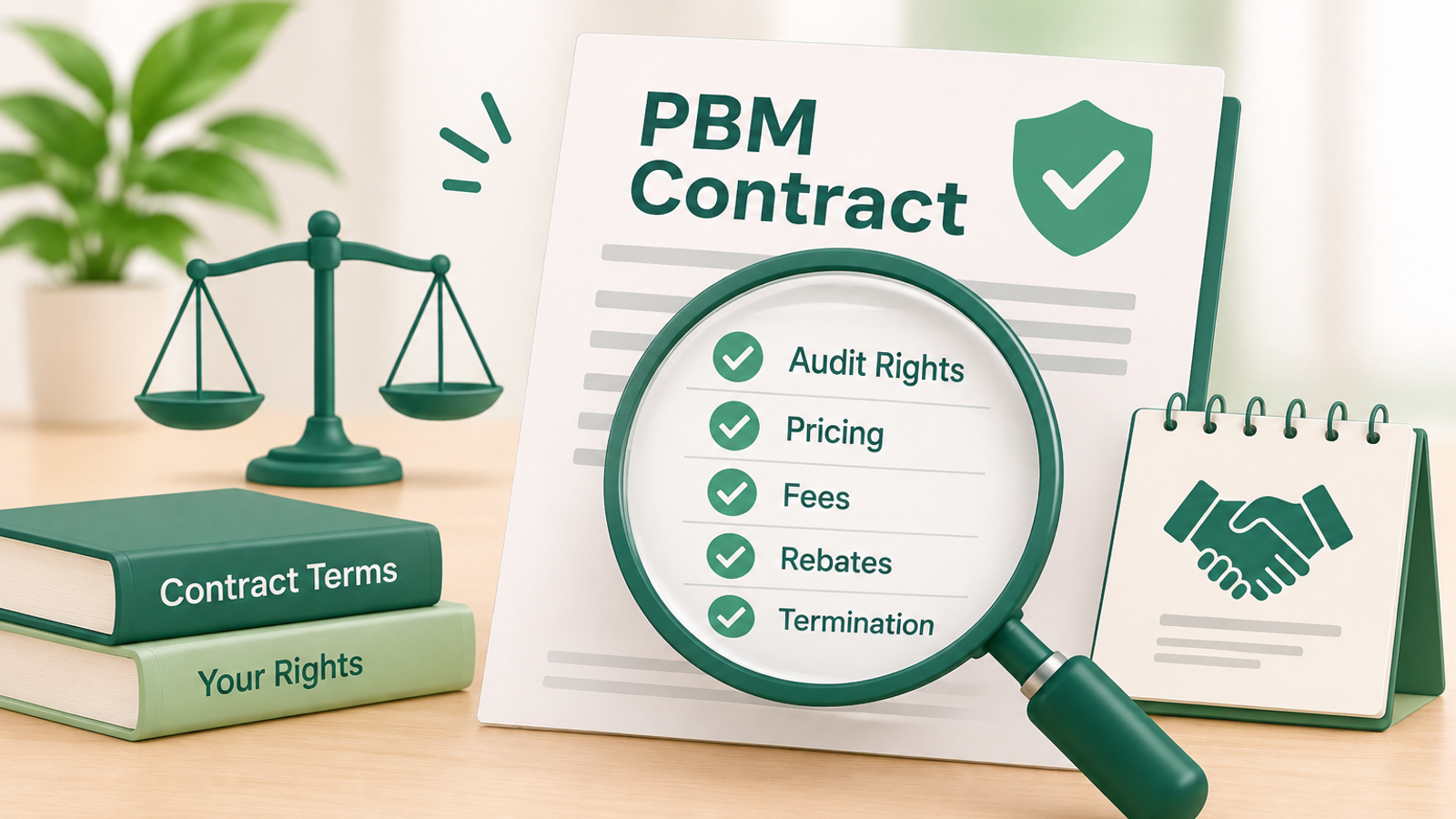
A PBM contract explains how pharmacy benefits will be managed and how the PBM will be paid. It may include terms for prescription pricing, pharmacy reimbursement, rebates, administrative fees, reporting, and audit rights. Employers should review these details before signing the agreement so they know how the arrangement may affect plan costs.
Here are some important areas to check:
- Pricing and reimbursement: Understand how the PBM calculates the amount charged to the plan and how much it pays pharmacies. Check whether the contract allows spread pricing or follows another pricing model.
- Administrative fees: Identify all charges, including per-member-per-month (PEPM) fees and any additional service or transaction fees.
- Rebate arrangements: Check how manufacturer rebates are received, reported, and credited to the plan. Also review whether the PBM receives other payments related to these arrangements.
- Audit and data access: Find out which claims records the plan can request, when audits are allowed, and whether supporting documents can be reviewed.
- Contract termination: Check notice periods, renewal conditions, data transfer requirements, and any fees for ending the agreement.
These terms help employers understand what they are paying for and what information they can request. A PBM audit checklist can help plan sponsors review contract terms and identify records they may need to check.
Why PBM Lawsuits Make Transparency and Oversight Important
PBM Lawsuits have brought more attention to how pharmacy benefit managers set prices and manage prescription benefits. Legal and regulatory actions have raised questions about drug pricing, pharmacy payments, manufacturer rebates, and the impact of PBM practices on health plans and patients.
These cases do not mean that every PBM has acted improperly. However, they show why employers should understand how their pharmacy benefit arrangements work instead of relying only on summary reports.
- Understand how the PBM earns revenue: Ask whether its compensation is connected to drug prices, pharmacy payments, administrative fees, or other arrangements.
- Request claim-level details: Summary reports show overall spending, but individual claim records can help employers see how costs are calculated.
- Compare pharmacy payments: Where the contract and available records allow, compare the amount charged to the plan with the amount paid to the pharmacy.
- Check rebate reporting: Ask how rebates are tracked, when they are received, and how the plan receives credit for them.
- Follow legal and regulatory updates: Keep up with relevant developments and understand the facts of each case before applying them to your own PBM contract.
For example, federal scrutiny and PBM Lawsuits have included concerns about insulin pricing and manufacturer rebate arrangements. These developments give employers a reason to ask more questions about their own contracts. They do not, by themselves, prove that a specific PBM or agreement has violated the law.
How Employers Can Monitor PBM Performance Over Time
Choosing a PBM is only the first step. Employers also need to check whether the provider is following the contract and delivering the agreed services. This ongoing review is an important part of PBM Fiduciary Responsibility, especially when drug costs, prescription use, or service needs change.
Regular checks can help employers understand their pharmacy spending and identify charges that need an explanation:
- Compare reports with contract terms
- Track pharmacy spending
- Check service quality
- Keep records of provider reviews
- Review the arrangement when needed
PBM Lawsuits are another reason for employers to look beyond the headline price when reviewing a PBM relationship. The aim is not to assume that a provider has done something wrong. It is to understand how the agreement works and what the plan can verify. Employers can also review information about PBM pricing and PBM rebates to better understand these parts of their pharmacy benefits.
Building a More Informed PBM Oversight Process
Kanurra believes employers should have a clear view of how their pharmacy benefits are priced and managed. Reviewing claims, contract terms, fees, and rebate reports can help plan sponsors understand what is happening within their plans. Kanurra offers a self-funded PBM model focused on transparent pricing and access to pharmacy benefit information. Employers can review its self-funded PBM approach when comparing providers and their services. PBM Fiduciary Responsibility involves more than reviewing a contract before signing it. Employers need to understand their plan duties, choose providers carefully, and check their work over time. PBM Lawsuits and regulatory changes have brought these issues into focus, but employers should make decisions based on their own plan documents, contracts, and records. Kanurra encourages plan sponsors to ask questions, review the details behind their pharmacy costs, and understand their PBM arrangements before making decisions.
Conclusion
Managing pharmacy benefits involves more than selecting a PBM based on price. Self-funded plan sponsors should understand their fiduciary duties, review contract terms, and check how claims, fees, and rebates are handled. PBM Fiduciary Responsibility also includes keeping records and asking questions when costs or services are unclear. PBM Lawsuits have raised concerns about PBM pricing and practices, making it important for employers to review their own agreements. Checking claim-level data and contract details can help employers understand what they are paying for. Request a PBM audit from Kanurra to review your pharmacy benefit costs and get a clearer picture of your PBM arrangement.
Frequently asked questions
What is PBM Fiduciary Responsibility?
It refers to the duties a PBM may have when it exercises fiduciary authority over a health plan. These duties depend on its role and responsibilities under the plan.
Are PBMs automatically considered fiduciaries under ERISA?
No. A PBM is not automatically a fiduciary. Its status depends on the authority it exercises and the services it performs.
What should employers review in a PBM contract?
Employers should check pricing, pharmacy reimbursement, administrative fees, rebate arrangements, audit rights, and termination terms.
Why are PBM Lawsuits important for self-funded employers?
PBM Lawsuits have raised questions about drug pricing, rebates, and pharmacy payments, making contract review and ongoing oversight important.
How can employers monitor their PBM's performance?
Employers can review claim-level data, compare charges with contract terms, check rebate reports, and assess service quality.
Written by
Kanurra