- A Pharmacy Benefit Manager (PBM) manages the prescription drug benefits included in an employer's health plan.
- PBMs help manage covered drug lists, process prescription claims, and work with pharmacy networks.
- Some PBMs review drug approval requests and provide reports on prescription claims and drug use.
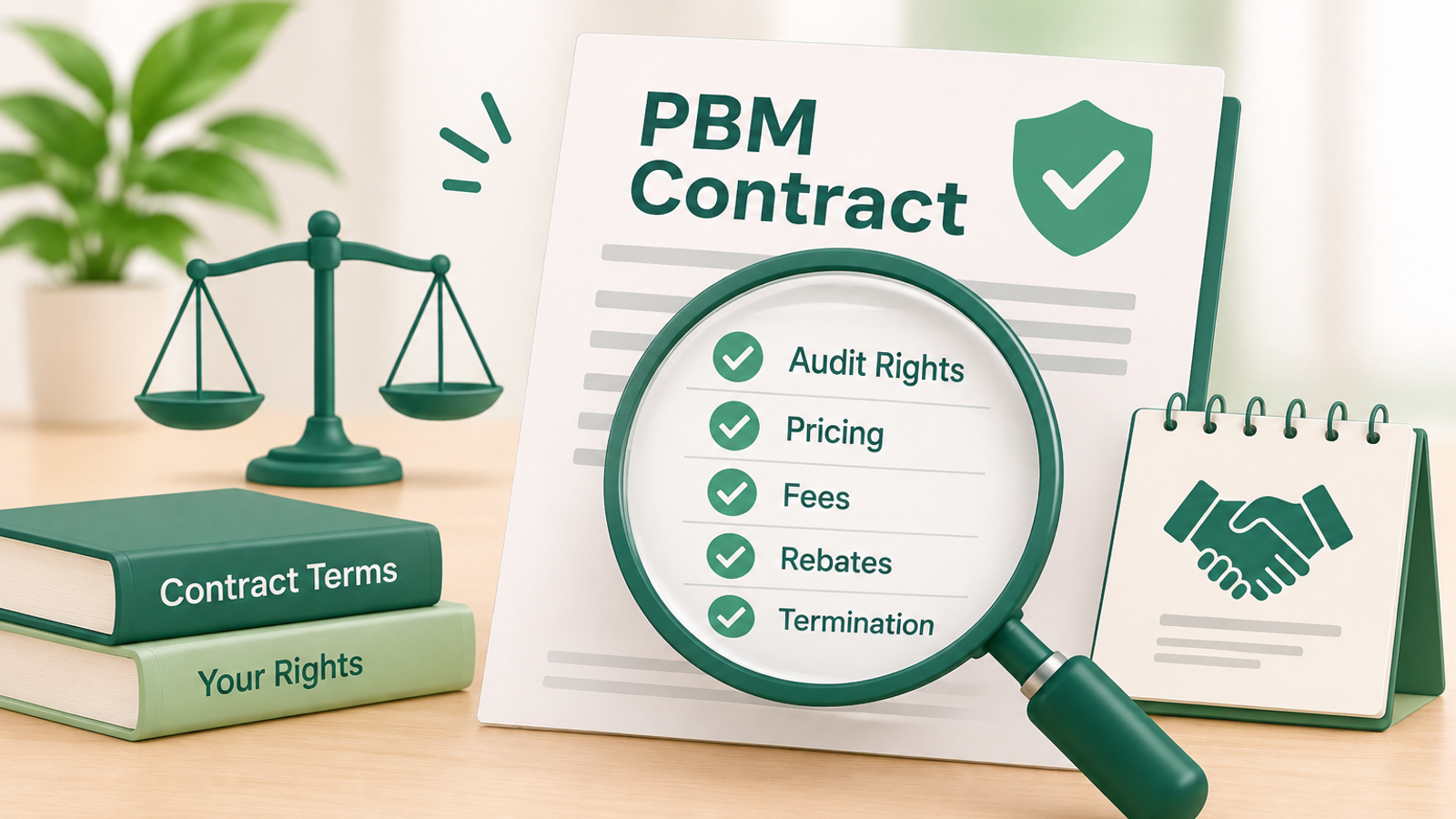
- Employers should understand their PBM's responsibilities, contract terms, and available claims data.
When an employee fills a prescription there are steps that happen before the medicine is paid for by the health plan. The health plan must check whether the medicine is covered, follow health plan rules and then handle the claim. A Pharmacy Benefit Manager or PBM is the one that assists with these steps. A healthcare PBM is responsible for helping employers manage the part of their health benefits that involves prescription drugs. For CFOs and benefits leaders at companies, with health plans knowing what the PBM does can clarify how prescription claims are handled and what services the plan includes. Kanurra is creating a method that helps employers look at pharmacy benefit costs and claims data making it easier to see how their prescription benefits are managed. This guide explains what a PBM does, how PBM works with pharmacies and health plans and what employers need to know about PBM roles.
What Is a Pharmacy Benefit Manager?
A Pharmacy Benefit Manager helps to manage the prescription drug benefits, for a health plan. It works with the plan, pharmacies, drug makers and other service providers to support the administration of prescription benefits.
A PBM may help manage:
- Which prescription drugs a plan covers.
- How pharmacies take part in the plan.
- How prescription claims are processed.
- Which drugs need approval before coverage.
- How drug use and claims are reported.
The exact duties depend on the plan and the PBM contract. The employer should understand which tasks the PBM handles and which tasks are managed by partners.
What Does a Pharmacy Benefit Manager Do?
A Pharmacy Benefit Manager helps manage parts of a prescription drug plan. These services are essential to how it supports prescription benefits for employers and their employees.
1. Manages the List of Covered Drugs
A Pharmacy Benefit Manager helps manage the list of drugs covered by a health plan. This list is called a formulary. The formulary may contain rules about which drugs are covered and what a member must do to receive them. For example a plan may cover one drug. Require approval before it covers another drug. Employers should understand how these rules affect the medicines that their workers can access.
2. Processes Prescription Claims
When an employee fills a prescription, the pharmacy sends a claim to the PBM for review. The PBM checks the claim based on the plan’s rules. The system then sends a response back to the pharmacy. This response may include whether the claim is approved and how much the employee owes. This process allows the pharmacy to apply the member’s prescription benefits at the time of purchase.
Example: An employee brings a prescription to a participating pharmacy. The pharmacy sends the claim to the PBM. The PBM checks the plan’s coverage rules. Send back a response. The pharmacy then tells the employee how much they need to pay under the plan. This shows how the PBM helps manage the prescription process.
3. Works With Pharmacies
Most of the PBMs set up agreements with pharmacies that are part of the pharmacy network. These agreements help decide which pharmacies members can use under plan. Pharmacy networks may include pharmacies and other participating providers. Employers should know how the pharmacy network works and where employees can fill their prescriptions.
4. Reviews Requests for Certain Drugs
Also, prescription drugs need approval before the plan will cover them. This process is called authorization and PBM may review requests based on plans rules and information provided. Some requests may need review or appeal. Employers should understand how requests are handled and where employees can get help if a prescription is delayed or denied.
5. Handles Drug Benefit Information
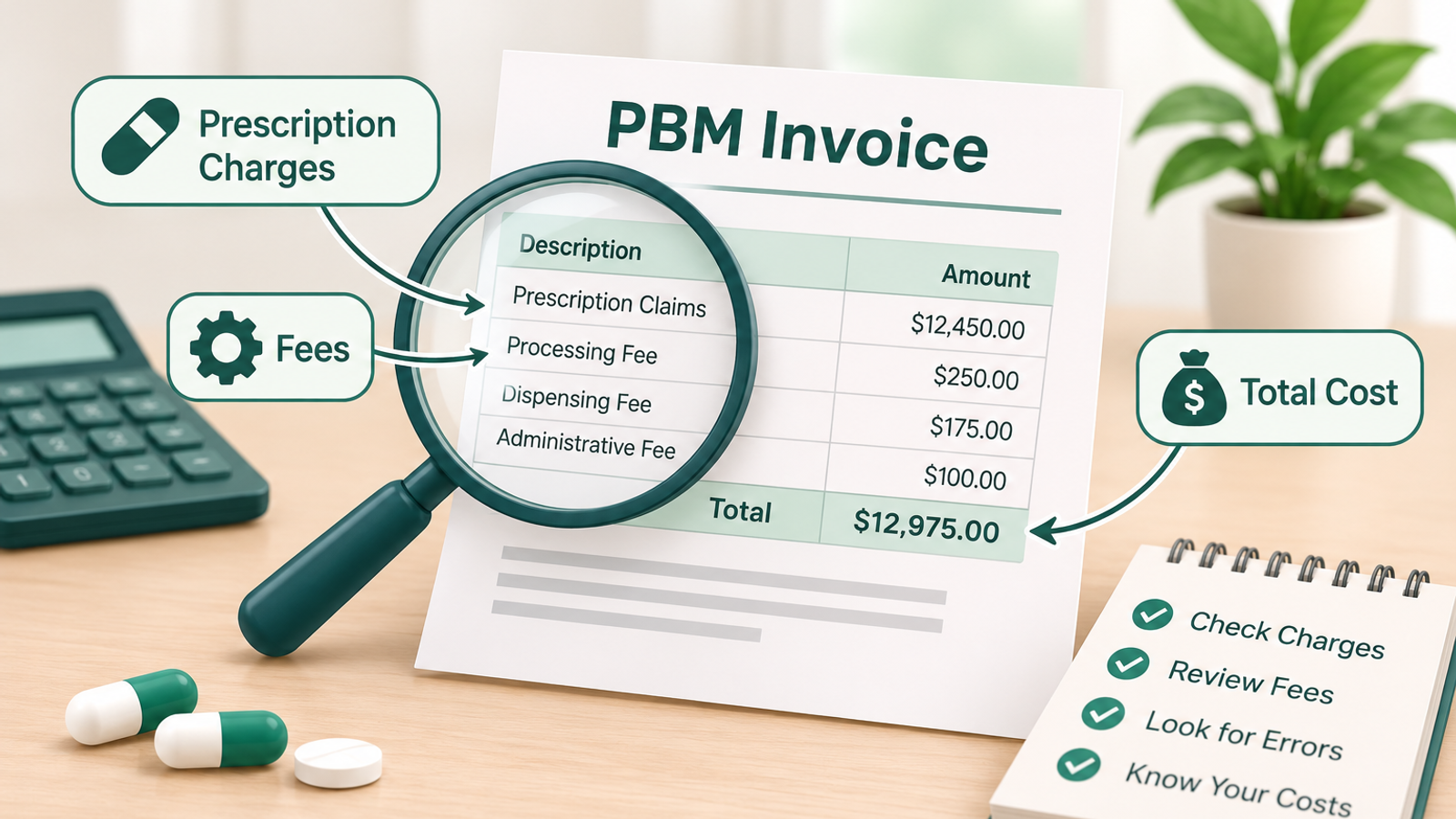
A PBM may give reports that show prescription claims, drug use and other parts of the plan and these reports can help employers and their benefits partners see how employees use their prescription benefits. The information that can be seen depends on the PBMs services, the contract and the reporting tools that the PBM gives.
Employers should know which reports they can view and who can help them understand those reports.
How Can Employers Track Prescription Claims?
Employers can review prescription claims reports to understand how their health plan's drug benefits are being used. These reports may show claim activity, covered medications, and payment information, depending on the PBM's reporting services. Reviewing this information helps employers identify questions about claim processing and understand what data is available to them. If employers are considering PBM alternatives, they should check which prescription claims details they can access and how each provider supports claims reporting and related questions.
How Does a PBM Work With an Employer's Health Plan?
A PBM is one part of a health benefits system. Employers may also work with a broker, a third-party administrator (TPA) and other service providers.
Each has a role:
- Employer: Chooses the health benefits it wants to offer and in a self-funded plan pays for covered claims.
- Broker: Helps the employer review. Choose benefit plans and service providers.
- Third-party administrator (TPA): Handles agreed tasks involved in running the health plan.
- Pharmacy Benefit Manager: Manages the prescription drug benefit, including claims processing and other services in its contract.
- Pharmacy: Provides the medicine to the member and submits the claim through the required process.
The roles can vary by plan. Some tasks may be shared between the PBM and the TPA so employers should know who is responsible for each part.
Why Does a PBM Matter to Self-Funded Employers?
Employers should know which services their PBM provides, who handles employee questions, and what claims information they can access. Clear responsibilities help them understand how their prescription benefits are managed.
Kanurra is developing a self-serve PBM for self-funded and level-funded employers, with a planned go-live in January 2027. Its planned platform is designed to help users review claims data. These planned features should not be presented as evidence of live client results.
Conclusion
A Pharmacy Benefit Manager helps manage the prescription drug part of a health plan. This includes handling which drugs are covered, processing claims, working with pharmacies reviewing drug requests and sharing reports. For self-funded employers knowing what a healthcare PBM does makes it easier to understand how prescription benefits are handled and who takes care of each job. Reach out to Kanurra to talk about your pharmacy benefit claims and find out more about its self-serve PBM way of doing things.
Frequently asked questions
What does a Pharmacy Benefit Manager do?
A Pharmacy Benefit Manager manages the prescription drug part of a health plan. It may manage drug lists, process claims, work with pharmacies, review drug requests and provide reports. Its exact duties depend on the contract.
Does a PBM decide which drugs an employee can take?
A PBM may help manage the plans covered by the drug list and apply its coverage rules. The rules depend on the health plan. Some drugs may need approval before the plan covers them.
What is the difference between a PBM and a TPA?
A PBM manages the prescription drug benefit. A TPA handles agreed tasks involved in running a health plan. Their duties can overlap so employers should check which company is responsible for each task.
Does every employer health plan use a PBM?
PBM arrangements vary by health plan. Employers should review how their prescription drug benefits are managed and which services are included in their plan.
What should an employer know about its PBM?
An employer should understand the services its PBM provides, how prescription claims are handled, which drugs are covered, how drug requests are reviewed and where employees can get support.
Written by
Kanurra